
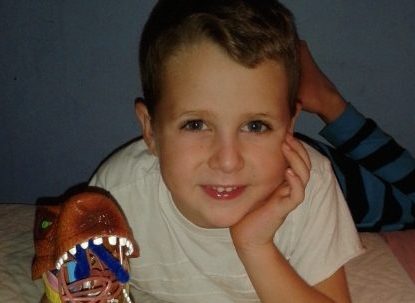
It has been ten years since my son struggled the most. But if I could go back to the beginning — to those early days when everything felt confusing and overwhelming — there are so many things I wish I had known.
Because at the time, I didn’t need perfect answers.
I needed reassurance that I wasn’t failing my child.
Many parents new to this world don’t realise that what looks like “bad behaviour” can actually be linked to child anxiety or sensory processing difficulties. If your child experiences frequent meltdowns, struggles with certain environments, or becomes easily overwhelmed, you’re not alone.
Most people don’t understand autism, sensory processing difficulties, or anxiety until it affects them personally. I’ve heard all the comments about my own son — from people who simply didn’t understand.
At four years old, his teacher told me he was a “rude, ignorant little boy” because he didn’t respond when she spoke — unless she said his name a couple of times first.
At eight, after he panicked in class and threw a chair, a headteacher told me it had nothing to do with autism — it was just “naughty behaviour.”
Other parents said I needed to “be stricter” or “stop being soft.”
I could go on… and I’m sure many of you have heard similar things.
But our children are not naughty.
They are not rude or ignorant.
They are overwhelmed — and they need our help.
That belief is a big part of why I started Sensory Hugs.
I was searching for anything that could help my son with his anxiety and his fear of sleeping. Eventually, I found a weighted koala… and it helped.
Not magically. Not perfectly.
But when you’re awake at 2am, trying not to cry while your child cannot settle, anything that helps matters.
It wasn’t defiance — it was overwhelm
I felt completely alone.
The meltdowns in the middle of a supermarket.
The refusal to get dressed or go to school.
The sudden tears over something that seemed small.
The anger — breaking things, pulling my hair.
From the outside, it looked like defiance.
But it wasn’t.
It was overwhelm.
Once I began to understand sensory processing and anxiety, everything shifted. My child wasn’t trying to be difficult — he was trying to cope in a world that felt too loud, too bright, too much.
I wish I knew how exhausting it would be
Not just physically — although it is.
But emotionally.
Constantly second-guessing yourself.
Wondering if you’re doing the right thing.
Feeling judged by people who don’t understand.
I’ve always loved reading — really loved it. But suddenly, novels were replaced with books on autism, sensory processing, and anxiety. I read whenever I could — ten minutes here and there, whenever things were calm.
It’s a kind of exhaustion that’s hard to explain unless you’ve lived it.
You wake up tired… and stay that way all day.
And if you’re feeling like that now — you’re not alone.
I wish I knew that small changes make a big difference
I used to think I needed a big solution. A magic fix.
Now I wouldn’t change my son for anything — I love his neurodivergent mind.
Looking back, it was the small things that helped most:
- A calmer bedtime routine
- Less overwhelming environments
- Predictability and structure
- Sensory support that helped him feel safe
Those small changes added up to real progress.
What helped us at bedtime
Bedtime was one of the hardest parts.
Like many children, my son loved his screens. It’s hard to go from the excitement of an Xbox straight into sleep.
We needed a middle step.
At a set time, the Xbox went off — but instead of expecting immediate sleep, he could spend 30 minutes on his phone, already in bed, in the dark. It was still enjoyable, but calmer.
When I came in, I didn’t take the phone straight away. That sudden change could cause distress.
Instead, we talked.
About his day.
About tomorrow.
About anything he needed to process.
That predictability helped him feel safe.
Then I would gently ask for the phone. He would cuddle his weighted koala, and I would sit on the floor beside him until he fell asleep.
It didn’t work perfectly every night.
But it helped.
And over time, he was able to do more of this independently.
I wish I knew that calm can be taught
At first, the meltdowns felt unpredictable.
But over time, I learned something important:
Calm isn’t just something that happens — it’s something children can learn, with the right support.
Not overnight.
Not perfectly.
But gradually.
I wish I knew I didn’t have to do it all alone
For a long time, I felt like I had to figure everything out by myself.
But there is support out there.
There are other parents who understand.
There are tools that can help.
I joined some autism groups on Facebook and asked autistic adults for advice. They were great! Go to the experts!
You don’t have to carry everything on your own.
And most of all…
I wish I knew that things could get easier.
Not perfect.
Not effortless.
But easier.
With understanding, patience, and the right support, those overwhelming moments can become less frequent… and calmer ones begin to take their place.
If you’re at the beginning of this journey — or somewhere in the middle of it — I see you.
And I promise: you’re doing better than you think.